
Introduction
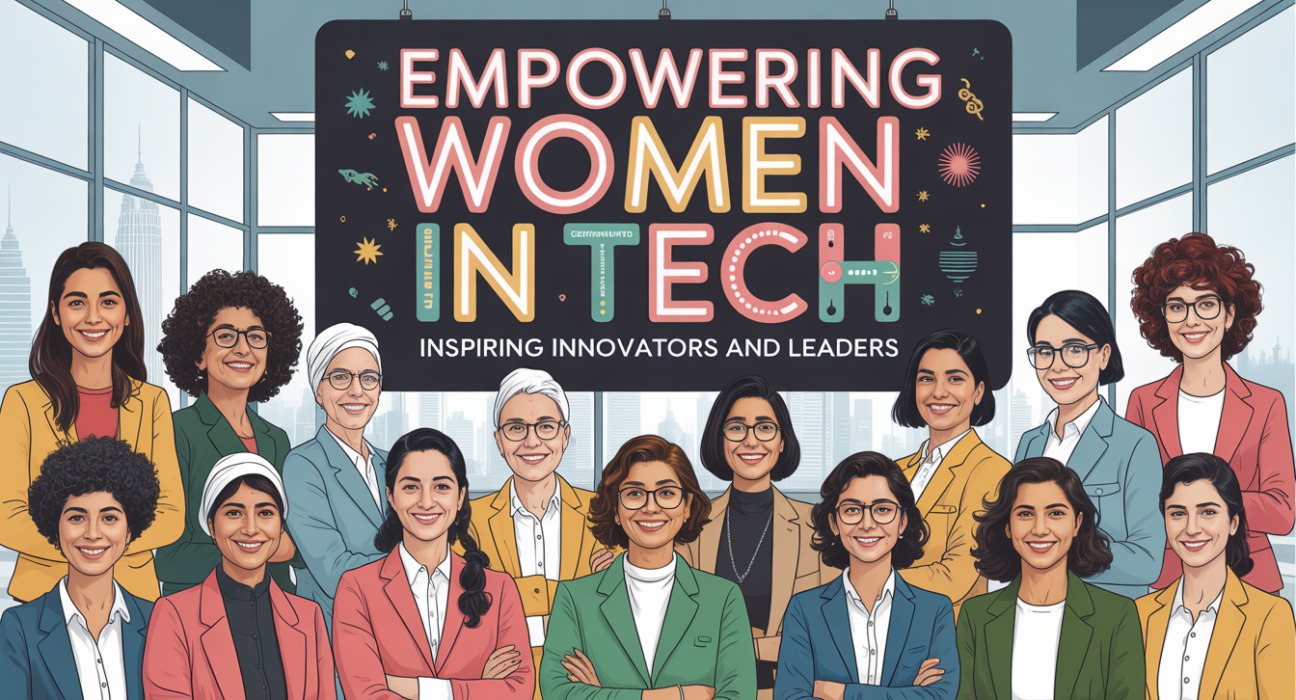
India’s technology sector is one of the fastest-growing in the world, yet talent shortages and leadership gaps persist. One of the most powerful ways the ecosystem is evolving is through Women in Indian Tech—founders, engineers, product leaders, and policymakers reshaping innovation.
Despite systemic challenges, women are building unicorns, leading deep‑tech teams, and influencing national digital strategy. Understanding their role is not just inspirational—it’s commercially and strategically important for anyone building or buying technology in India.
What is Women in Indian Tech?
Women in Indian Tech refers to the growing participation and leadership of women across India’s technology ecosystem, including software engineering, startups, IT services, deep tech, policy, and digital entrepreneurship.
It encompasses women as developers, CTOs, founders, investors, product managers, researchers, and innovation leaders contributing directly to India’s digital economy.
Why it Matters / Who Benefits
Greater representation of women in technology delivers measurable economic and innovation gains.
Key beneficiaries include:
- Tech companies seeking diverse, high‑performing teams
- Startups building user‑centric and scalable products
- CTOs & engineering leaders improving decision quality
- Investors targeting sustainable, well‑governed ventures
- Beginner developers looking for relatable role models
- India’s economy, through higher workforce participation
How It Works: Key Drivers Behind Women in Indian Tech
Education and STEM Access
India produces a high number of female STEM graduates compared to many countries. Engineering colleges, coding bootcamps, and online platforms have lowered entry barriers, enabling more women to acquire technical skills.
Startup Ecosystem and Entrepreneurship
Women‑led startups in fintech, edtech, healthtech, and SaaS are rising steadily. Government programs, incubators, and women‑focused accelerators provide early‑stage capital and mentorship.
Corporate Inclusion Programs
Large IT firms and global MNCs operating in India have introduced:
- Return‑to‑work programs for women
- Leadership fast‑track initiatives
- Flexible and remote work models
These initiatives directly improve retention and leadership readiness.
Policy and Government Support
Initiatives under Digital India and Startup India indirectly support women in tech by expanding digital infrastructure, funding innovation, and promoting entrepreneurship at the grassroots level.
Practical Use Cases & Real‑World Examples
Women Founders Building Scalable Startups
Indian women entrepreneurs have founded successful companies in:
- Fintech: digital lending, payments, compliance platforms
- SaaS: HR tech, CRM tools, vertical SaaS for SMEs
- Healthtech: telemedicine, diagnostics, femtech
Their companies often show strong unit economics and customer empathy‑driven design.
Women as CTOs and Engineering Leaders
Women CTOs in Indian startups and enterprises lead:
- Cloud migration and platform modernization
- AI and data engineering teams
- Cybersecurity and compliance programs
These leaders influence architecture decisions that directly impact cost, security, and scalability.
Grassroots and Tier‑2/Tier‑3 Impact
Women technologists in smaller cities are:
- Running IT services firms
- Building regional language apps
- Leading digital transformation for MSMEs
This expands India’s tech talent base beyond metro hubs.
Comparison: Inclusive vs Less‑Inclusive Tech Organizations
| Aspect | Inclusive Tech Teams | Less‑Inclusive Teams |
|---|---|---|
| Innovation quality | Higher due to diverse perspectives | Often incremental |
| Talent retention | Stronger long‑term retention | Higher attrition |
| Product relevance | Better alignment with diverse users | Narrow user focus |
| Employer brand | Attractive to global talent | Limited appeal |
| Governance & risk | More balanced decision‑making | Higher blind‑spot risk |
Benefits & Limitations
Pros of Strong Women Representation in Tech
- Broader problem‑solving approaches
- Improved financial performance
- Better product usability and accessibility
- Stronger leadership pipelines
- Positive brand and ESG perception
Cons and Ongoing Limitations
- Under‑representation at senior leadership levels
- Unequal access to venture funding
- Career breaks impacting progression
- Cultural and workplace bias in some segments
These challenges highlight the need for structural, not symbolic, solutions.
Implementation & Adoption Checklist
For Tech Companies
- Audit hiring and promotion data for bias
- Create clear technical career paths
- Invest in mentorship and sponsorship programs
- Enable flexible and hybrid work by default
- Measure inclusion outcomes, not just intent
For Startups and Founders
- Build diverse founding and early teams
- Seek women‑focused investor networks
- Design products with diverse users in mind
- Highlight inclusive culture in employer branding
For Beginner Developers
- Focus on strong fundamentals in one tech stack
- Join women‑in‑tech communities and forums
- Build visible portfolios and open‑source contributions
- Seek mentors early in your career
Frequently Asked Questions(FAQs)
Why is women’s participation important in Indian tech?
Women bring diverse perspectives that improve innovation, reduce product bias, and strengthen leadership decisions. In a user‑diverse market like India, inclusive tech teams build more scalable and relevant solutions.
Are women well represented in Indian IT today?
Women are well represented at entry and mid levels but remain under‑represented in senior leadership and founder roles. The gap is narrowing, but progress is uneven across sectors.
Which tech sectors in India have more women leaders?
Edtech, SaaS, healthtech, and fintech currently show higher participation of women founders and leaders compared to core infrastructure or hardware‑focused segments.
How can companies support women in technology careers?
Companies can support women by offering flexible work, transparent promotion criteria, mentorship, leadership training, and unbiased performance evaluation systems.
Is supporting women in tech commercially beneficial?
Yes. Studies consistently show that diverse leadership teams outperform peers financially and operationally, making inclusion a strategic advantage, not just a social goal.
Conclusion
Women in Indian Tech are no longer an emerging trend—they are central to India’s innovation story. For companies, startups, and developers, supporting and investing in women’s participation is both a growth strategy and a competitiveness imperative.
Recommendation: Organizations should move beyond token initiatives and embed inclusion into hiring, leadership, and product strategy.
Future outlook: As of 2026, women’s influence in Indian tech leadership is expected to grow steadily, particularly in startups, SaaS, and digital public infrastructure.
Read more: Blockchain Startups in India: Growth Opportunities and Challenges
LSI / Semantic Keywords
- women in technology India
- Indian women entrepreneurs
- women founders India
- diversity in tech India
- women CTOs India
- Indian tech leadership
- women‑led startups India