

Introduction
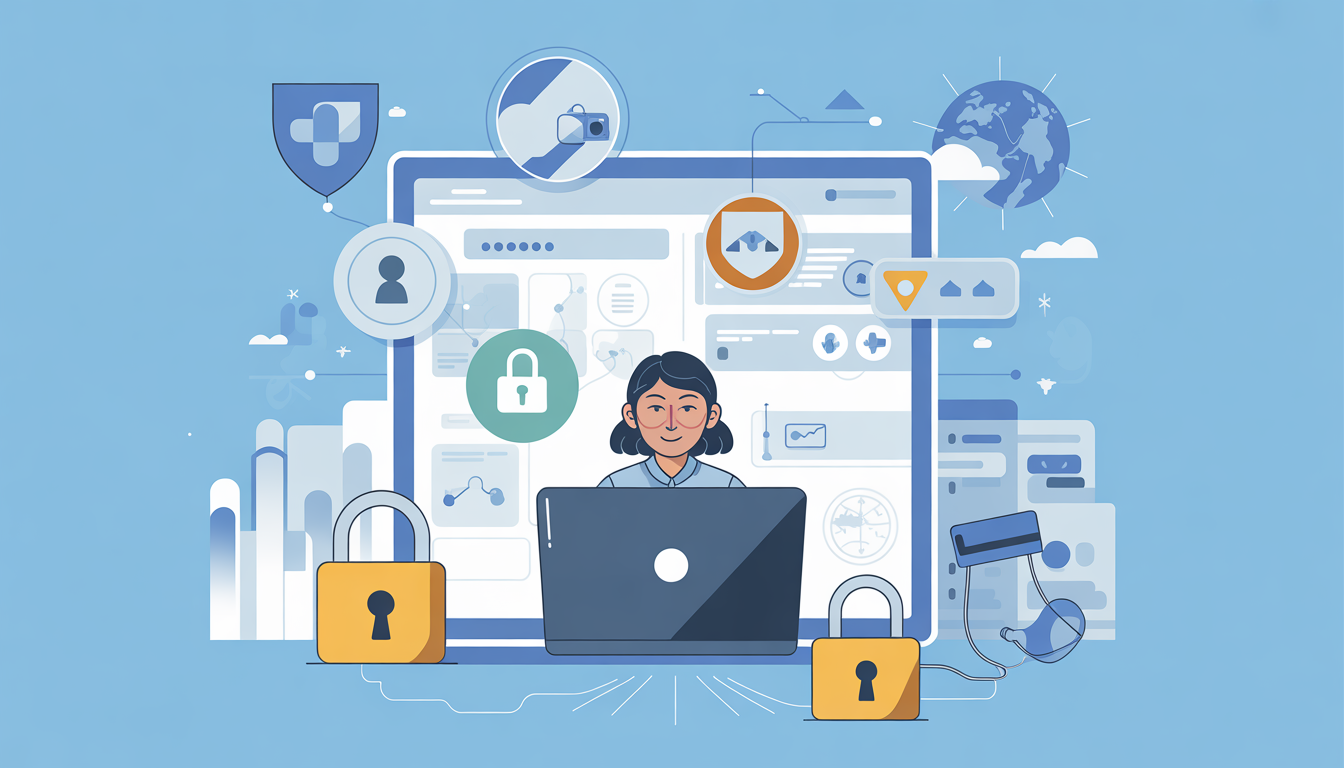
In today’s digital world, personal and business data is constantly collected, stored, and shared. But do you know how secure your information is in India? Data privacy protects individuals and organizations from misuse, fraud, and identity theft. For tech buyers, developers, and businesses, understanding data privacy is essential to safeguard sensitive information and comply with legal regulations.
What is Data Privacy?
Data privacy refers to the protection of personal or organizational information from unauthorized access, sharing, or misuse. It ensures that data is collected, processed, and stored securely, with proper consent and transparency. In India, this concept is governed by laws like the Digital Personal Data Protection Act (DPDPA), 2023.
Why Data Privacy Matters in India
Data privacy is not just a technical requirement—it affects individuals, businesses, and the economy. Key beneficiaries include:
- Individuals: Protects personal information from identity theft and fraud.
- Businesses: Builds customer trust and avoids penalties.
- Developers & Tech Teams: Ensures secure app and software design.
- Government Agencies: Maintains public confidence in digital services.
How Data Privacy Works: Key Features
1. Consent-Based Collection
Data can only be collected after explicit consent. Users must know what data is collected and why.
2. Purpose Limitation
Data collected must be used only for the stated purpose. Example: a shopping app cannot share purchase history with third-party advertisers without consent.
3. Storage & Security
Personal data must be stored securely using encryption, access controls, and secure servers.
4. Transparency & User Rights
Users can access, correct, or delete their personal data. Transparency in data policies is mandatory for Indian companies.
5. Accountability & Compliance
Organizations must maintain records of data processing and follow DPDPA guidelines to avoid legal penalties.
Practical Use Cases & Examples
- E-Commerce Apps: Collect customer names, addresses, and payment info securely. Provide a privacy policy and opt-out options.
- Healthcare Portals: Store medical records confidentially and allow patients to control data sharing.
- FinTech Apps: Encrypt banking information and monitor suspicious activity.
- Educational Platforms: Protect student data and comply with parental consent laws.
Comparison: Data Privacy vs. Data Security
| Feature | Data Privacy | Data Security |
|---|---|---|
| Focus | Control over who accesses and uses data | Protects data from unauthorized access or breaches |
| Example | User consent to share email | Encrypting the database |
| Goal | Ensure ethical use of personal info | Prevent hacking or data loss |
Benefits & Limitations
Pros:
- Builds trust among users and clients
- Reduces risk of legal penalties under Indian laws
- Enhances brand reputation
- Supports ethical data usage
Cons:
- Implementation can be costly for startups
- Requires continuous monitoring and updates
- Can limit certain data-driven marketing strategies
Implementation Checklist for Indian Businesses
- Conduct a Data Audit: Identify what personal data you collect.
- Update Privacy Policies: Clearly explain how data is collected, stored, and shared.
- Implement Security Measures: Use encryption, secure servers, and access control.
- Obtain Explicit Consent: Use opt-in forms for data collection.
- Train Teams: Educate employees about privacy regulations and best practices.
- Monitor Compliance: Regularly check adherence to DPDPA guidelines.
Frequently Asked Questions(FAQs)
Q1: Is data privacy mandatory in India?
Yes, under the Digital Personal Data Protection Act 2023, businesses must protect personal data and comply with consent and security requirements.
Q2: What types of data are protected?
Personal data such as name, address, phone number, email, financial information, and health records are covered.
Q3: How can individuals protect their data online?
Use strong passwords, enable two-factor authentication, read privacy policies, and limit sharing on apps and websites.
Q4: Can companies share data with third parties?
Only with explicit consent from the user and for a clear, stated purpose.
Q5: What penalties exist for non-compliance in India?
Organizations can face fines, legal action, or reputational damage under the DPDPA 2023.
Conclusion
Understanding data privacy in India is critical for individuals and businesses alike. By following proper security measures, obtaining consent, and ensuring transparency, organizations can build trust while staying compliant. As India’s digital ecosystem grows, data privacy will become a key differentiator for technology adoption and user confidence.
Read more: Lessons from India’s 2024 Aadhaar Data Breach: What Consumers Must Learn
LSI / Semantic Keywords
- Personal data protection India
- Digital privacy laws
- Data security vs privacy
- DPDP Act 2023
- User consent online
- Cybersecurity India
- Data protection best practices
- Privacy compliance checklist