
Introduction
India’s factories, power plants, and transport networks are under pressure to become smarter, faster, and more efficient. Rising costs, downtime, and global competition are forcing a shift from traditional operations to data-driven systems.
Industrial IoT in India is emerging as the backbone of this transformation, connecting machines, people, and processes at scale.
What is Industrial IoT in India?
Industrial IoT in India refers to the use of connected sensors, machines, software platforms, and analytics across industries like manufacturing, energy, utilities, and infrastructure to monitor, automate, and optimize operations in real time.
In simple terms, it allows industrial assets to “talk” to each other and to decision-makers, turning raw machine data into actionable insights that improve productivity and reliability.
Why It Matters and Who Benefits
Industrial IoT adoption is not limited to large enterprises. It delivers value across the ecosystem.
Key beneficiaries include:
- Manufacturers seeking higher productivity and lower downtime
- Infrastructure operators managing roads, railways, and utilities
- Energy & utilities companies optimizing grids and consumption
- CTOs & operations leaders driving digital transformation
- SMEs aiming to compete with larger, automated players
- Government & public sector supporting Make in India and smart infrastructure goals
How Industrial IoT Works: Key Technologies Explained
Industrial IoT systems follow a layered architecture. Each layer plays a critical role.
Connected Sensors and Devices
Industrial-grade sensors measure variables such as temperature, vibration, pressure, energy usage, and humidity.
These sensors are designed to operate reliably in harsh Indian industrial environments.
Industrial Connectivity
Data is transmitted using wired or wireless networks such as Ethernet, LPWAN, 4G/5G, and private networks.
Reliable connectivity ensures continuous monitoring across factories and remote sites.
Edge Computing
Edge devices process data locally, close to machines.
This reduces latency and allows quick responses, such as shutting down equipment before a failure occurs.
Cloud Platforms and Analytics
Centralized platforms store, analyze, and visualize data.
Advanced analytics identify patterns, predict failures, and recommend actions.
Integration with Enterprise Systems
Industrial IoT platforms integrate with ERP, MES, and SCADA systems.
This ensures operational data directly supports business decisions.
Practical Use Cases of Industrial IoT in India
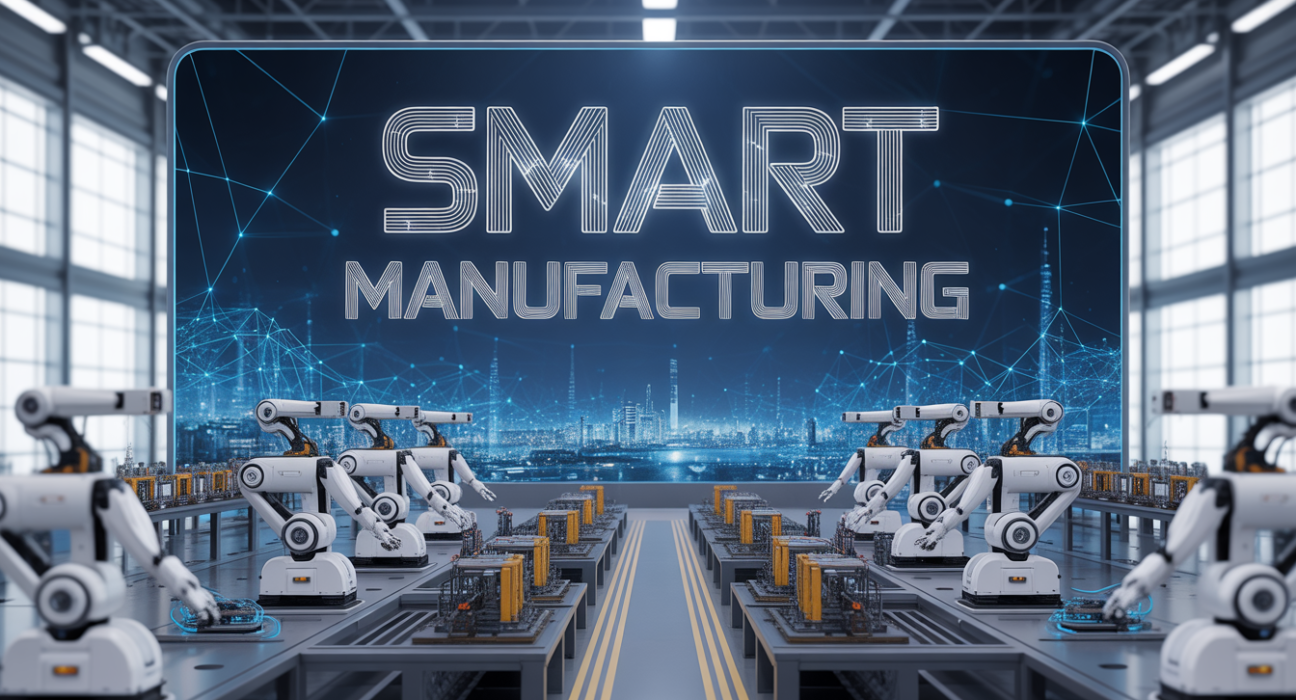
Smart Manufacturing and Predictive Maintenance
Sensors monitor machine health in real time.
Maintenance teams receive alerts before breakdowns, reducing downtime and repair costs.
Energy Monitoring and Optimization
Factories track energy consumption at machine level.
This helps reduce power wastage and comply with sustainability targets.
Quality Control and Process Optimization
IoT-enabled vision systems detect defects early.
Manufacturers achieve consistent quality with less rework.
Supply Chain and Asset Tracking
Connected assets provide real-time location and condition data.
This improves inventory accuracy and reduces losses.
Infrastructure Monitoring
Bridges, metros, and highways use sensors to monitor structural health.
Authorities can schedule maintenance before safety risks arise.
Industrial IoT vs Traditional Automation
| Aspect | Traditional Automation | Industrial IoT |
|---|---|---|
| Data usage | Limited, local | Real-time, centralized |
| Flexibility | Rigid systems | Scalable and modular |
| Maintenance | Reactive | Predictive |
| Decision-making | Manual | Data-driven |
| Integration | Isolated | Integrated with IT systems |
Industrial IoT goes beyond automation by enabling intelligence and continuous improvement.
Benefits and Limitations of Industrial IoT
Pros
- Improved operational efficiency
- Reduced downtime and maintenance costs
- Better asset utilization
- Enhanced safety and compliance
- Data-driven decision-making
Cons
- High initial investment
- Integration challenges with legacy systems
- Cybersecurity risks if not managed properly
- Need for skilled workforce
Implementation and Adoption Checklist
Adopting Industrial IoT in India requires a structured approach.
Step-by-step checklist:
- Define business objectives such as cost reduction or uptime improvement
- Identify critical assets and processes to monitor
- Choose scalable hardware suitable for Indian conditions
- Select a secure IoT platform with analytics capabilities
- Ensure cybersecurity with encryption and access controls
- Train teams on data usage and system maintenance
- Start small with pilot projects before full-scale rollout
Frequently Asked Questions(FAQs)
What industries are leading Industrial IoT adoption in India?
Manufacturing, energy, utilities, and transportation are leading adopters.
Automotive, pharmaceuticals, and FMCG sectors use Industrial IoT extensively for predictive maintenance, quality control, and energy optimization.
Is Industrial IoT suitable for small and medium enterprises?
Yes. Cloud-based platforms and modular hardware have reduced entry costs.
SMEs can start with targeted use cases like energy monitoring and scale gradually.
How secure is Industrial IoT?
Security depends on implementation.
Using encrypted communication, device authentication, and regular updates significantly reduces risks.
What skills are needed to manage Industrial IoT systems?
Basic networking, data analysis, and system integration skills are essential.
Many platforms are designed to be user-friendly for operations teams.
How does Industrial IoT support sustainability goals?
It reduces energy waste, improves resource efficiency, and enables emissions tracking.
This aligns with India’s sustainability and ESG initiatives.
Conclusion
Industrial IoT in India is no longer optional—it is a strategic necessity for competitive manufacturing and resilient infrastructure. Organizations that start with focused use cases and scalable platforms gain faster ROI and long-term operational excellence.
Future outlook: As connectivity and analytics mature, Industrial IoT will become the standard foundation of India’s industrial growth.
Read more: Securing IoT Devices: Best Practices for Indian Engineers
LSI / Semantic Keywords
- Industrial IoT solutions India
- Smart manufacturing India
- IIoT platforms
- Connected factories
- Predictive maintenance India
- Industrial automation and IoT
- Smart infrastructure India