
Introduction
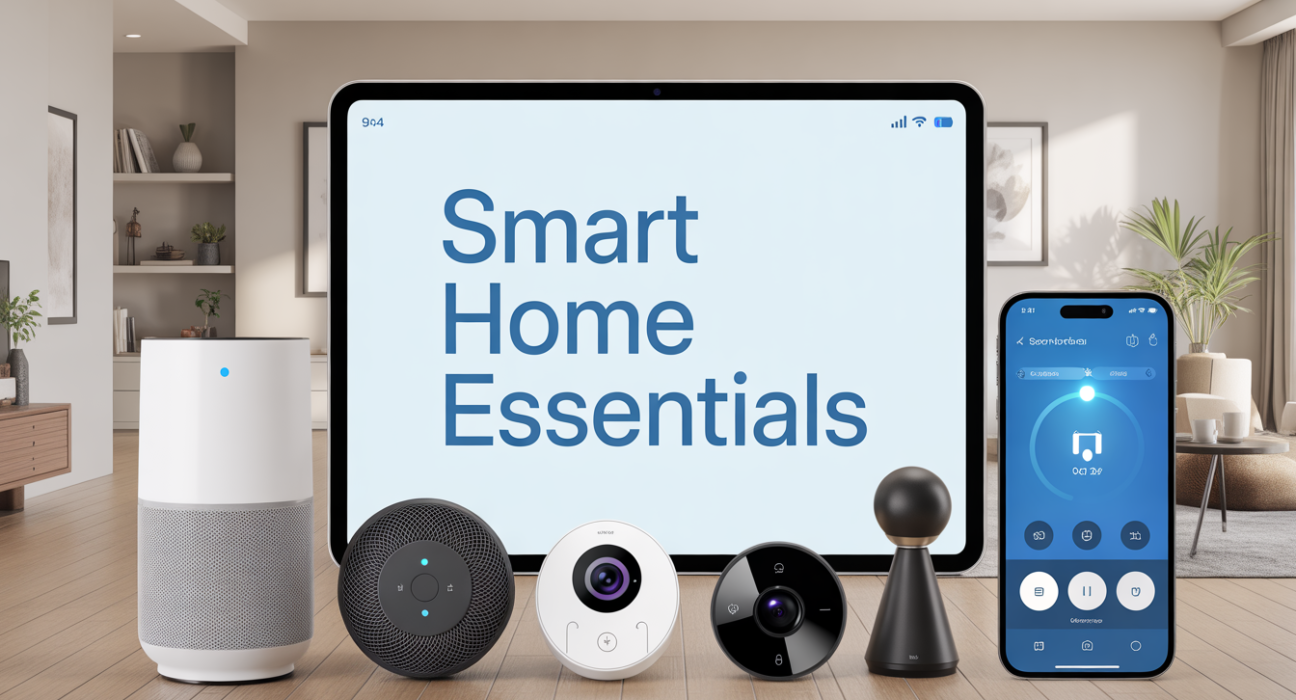
Imagine controlling your home with just your smartphone — lights, fans, security systems, and appliances responding instantly to your commands. In India, smart homes are no longer futuristic; IoT devices make them accessible, affordable, and practical. This guide highlights essential IoT devices every Indian should know for convenience, energy efficiency, and safety.
What is a Smart Home?
A smart home is a residence equipped with Internet of Things (IoT) devices that connect and communicate via the internet. These devices allow automation, remote control, and monitoring of home systems, enhancing comfort, security, and energy management.
Why It Matters / Who Benefits
Smart homes are transforming how Indians live. Key beneficiaries include:
- Urban homeowners – streamline daily routines and energy usage
- Working professionals – remote control appliances save time and effort
- Families with children or elderly members – enhance safety with automated alerts
- Tech enthusiasts – explore automation, customization, and home AI
- Small business owners – secure office or home spaces with connected systems
How It Works / Key Features
1. Smart Lighting Systems
- Control brightness, color, and schedules via apps or voice assistants.
- Feature motion sensors and energy-saving automation.
2. Smart Thermostats & Fans
- Adjust home temperature remotely.
- Learn usage patterns to optimize electricity consumption.
3. Smart Security Devices
- Cameras, door sensors, and smart locks alert users in real time.
- Enable remote monitoring and guest access control.
4. Smart Appliances
- Wi-Fi-enabled refrigerators, washing machines, and ovens allow app control.
- Example: Preheat oven before you arrive home.
5. Voice Assistants & Hubs
- Alexa, Google Home, and Apple HomePod control multiple devices with voice commands.
- Integrate routines: e.g., “Good Night” turns off lights, locks doors, and sets the thermostat.
Practical Use Cases & Examples
- Morning Routine Automation: Lights gradually turn on, coffee maker starts, and thermostat adjusts temperature.
- Energy Savings: Smart plugs monitor energy-hungry devices, helping reduce electricity bills.
- Safety at Home: Door/window sensors send instant alerts to smartphones if breached.
- Remote Monitoring: Check live video feed or lock doors while away on vacation.
- Family Convenience: Voice assistants allow hands-free control for children or elderly residents.
Comparison / Alternatives
| Device Type | Popular Models in India (2026) | Price Range (INR) | Key Feature |
|---|---|---|---|
| Smart Lights | Philips Hue, Wipro Smart LED | 1,500–5,000 | Voice & app control, schedules |
| Smart Thermostat | ecobee, Tado Smart AC Controller | 4,000–12,000 | Energy saving, remote control |
| Smart Security | Mi Smart Cam, Godrej Smart Lock | 2,500–15,000 | Real-time alerts, remote monitoring |
| Smart Appliances | LG Wi-Fi Fridge, IFB Oven | 20,000–60,000 | App-controlled, automation |
| Voice Assistant Hub | Amazon Echo, Google Nest Hub | 3,000–10,000 | Multi-device control, routines |
Benefits & Limitations
Pros:
- Convenience: Control devices from anywhere
- Energy efficiency: Optimized electricity usage
- Enhanced security: Real-time monitoring and alerts
- Customization: Automate routines according to lifestyle
Cons:
- High initial setup cost for multiple devices
- Dependence on stable internet connectivity
- Privacy concerns with connected cameras and microphones
- Compatibility issues among different brands
Implementation / Buying / Adoption Checklist
- Assess Needs: Identify key pain points — security, lighting, energy, or convenience.
- Select Core Devices: Start with 3–5 devices like smart lights, security cameras, and a voice hub.
- Check Compatibility: Ensure devices work with your existing router and preferred hub.
- Budget Planning: Include device cost, installation, and subscription fees (if any).
- Secure Network: Use strong passwords and firmware updates to protect devices.
- Expand Gradually: Add smart appliances or sensors over time for full home automation.
Frequently Asked Questions(FAQs)
Q1: Are smart home devices compatible with Indian voltage and plugs?
Yes, most IoT devices sold in India are designed for 220–240V supply. Always verify model specifications before purchase.
Q2: Can I control smart devices without internet?
Basic functions may work locally via Bluetooth or Zigbee, but cloud-based features and remote access require internet connectivity.
Q3: Which is the best smart hub for beginners in India?
Amazon Echo and Google Nest Hub are popular beginner-friendly options that integrate with most Indian smart home devices.
Q4: How much can I save on electricity using smart devices?
Savings depend on usage, but smart thermostats and plugs can reduce energy bills by 10–20% annually.
Q5: Are smart cameras safe for privacy?
Yes, if you use secure passwords, two-factor authentication, and encrypted cloud storage. Avoid sharing device credentials.
Conclusion
IoT devices are revolutionizing Indian homes, offering convenience, energy efficiency, and safety. Start small with essential devices like smart lights, security cameras, and a voice assistant, then gradually expand. As technology evolves, smart homes will become more affordable, interconnected, and intelligent, making Indian households truly future-ready.
Read more: IoT in Indian Agriculture: Modernizing Farming with Smart Technology
LSI / Semantic Keywords
- Home automation India
- IoT smart devices
- Connected home gadgets
- Energy-efficient appliances
- Smart home security
- Voice-controlled devices
- Indian smart home market
- Home IoT ecosystem