
Introduction
India’s rapid urbanization has put enormous pressure on infrastructure and natural resources. Traditional construction methods often harm the environment, deplete energy, and increase pollution. Sustainable engineering offers a solution—combining innovation, eco-friendly practices, and resource efficiency to build resilient infrastructure.
What is Sustainable Engineering?
Sustainable engineering is the practice of designing, constructing, and maintaining infrastructure while minimizing environmental impact, conserving resources, and promoting social and economic well-being. It balances technical performance with ecological responsibility, ensuring projects serve current needs without compromising future generations.
Why It Matters / Who Benefits
Sustainable engineering benefits a variety of stakeholders:
- Government & policymakers: Reduced energy costs and environmental compliance.
- Construction companies: Improved efficiency and public image.
- Local communities: Healthier living conditions and access to green spaces.
- Investors & developers: Long-term economic returns from eco-conscious projects.
- Students & engineers: Exposure to advanced green technologies.
How It Works / Key Features
1. Green Building Materials
- Use of recycled steel, fly ash bricks, bamboo, and low-carbon concrete.
- Reduces carbon footprint while maintaining structural integrity.
- Example: RMC EcoBlocks in Delhi use fly ash to replace cement.
2. Energy-Efficient Design
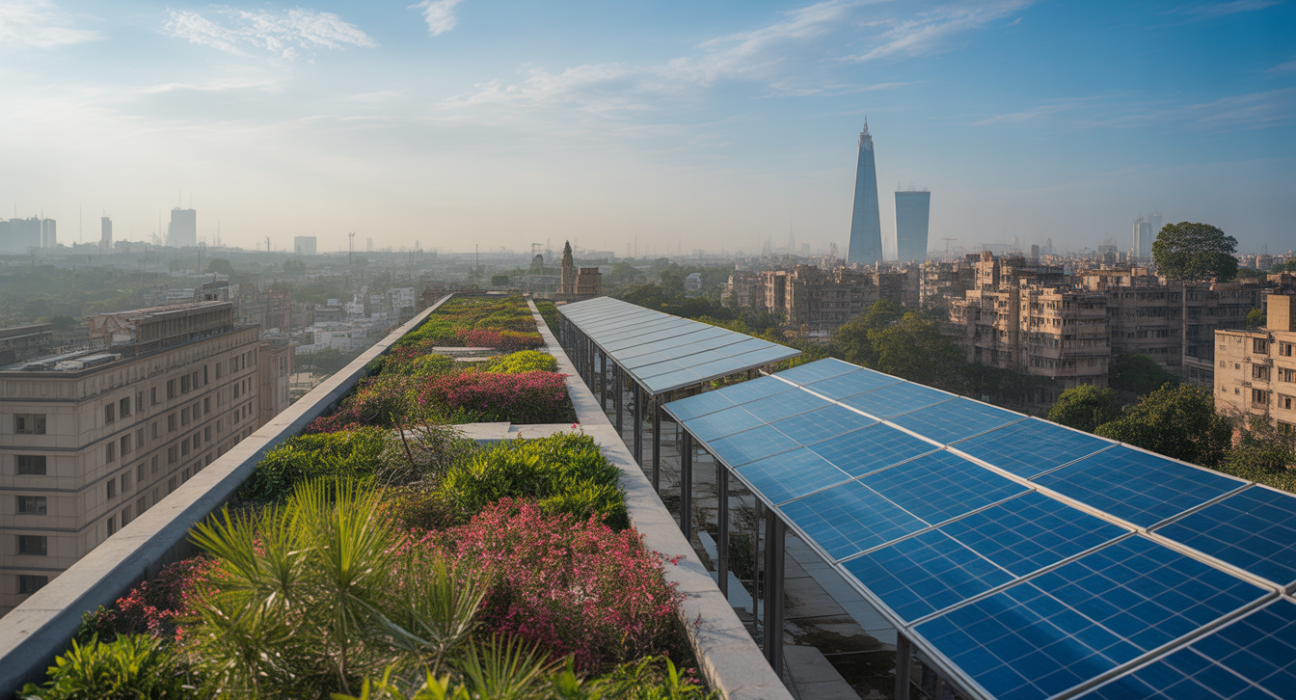
- Integration of solar panels, LED lighting, and passive cooling systems.
- Smart HVAC and insulation reduce energy consumption up to 30–40%.
- Example: Infosys campuses in Pune leverage renewable energy for daily operations.
3. Water Conservation Techniques
- Rainwater harvesting, greywater recycling, and drip irrigation.
- Reduces dependency on municipal water systems.
- Example: Bangalore’s Brigade Group residential projects implement rooftop rainwater collection.
4. Waste Management & Circular Economy
- On-site segregation, composting, and construction debris recycling.
- Encourages circular use of resources instead of landfill disposal.
5. Smart Urban Planning
- Mixed-use zones, green corridors, and low-emission transport networks.
- Reduces commute time, pollution, and urban heat islands.
Practical Use Cases & Examples
- Metro Rail Projects (Delhi, Bangalore): Incorporating solar energy, energy-efficient tunnels, and water reuse systems.
- Eco-Residential Communities: Apartments in Pune and Gurgaon using bamboo and fly ash bricks for eco-friendly construction.
- Smart Highways: Use of LED street lighting, recycled asphalt, and solar-powered traffic signals.
- Industrial Parks: Waste-to-energy systems and green logistics hubs in Gujarat and Maharashtra.
Comparison / Alternatives
| Feature | Traditional Engineering | Sustainable Engineering |
|---|---|---|
| Materials | Cement, steel, concrete | Bamboo, fly ash bricks, recycled steel |
| Energy Use | High | 30–40% lower with solar & efficient design |
| Water Management | Minimal | Rainwater harvesting, greywater recycling |
| Waste Handling | Landfills | Recycling, composting, circular use |
| Cost | Lower upfront | Slightly higher upfront, saves long-term |
| Environmental Impact | High carbon footprint | Significantly reduced |
Benefits & Limitations
Pros:
- Reduces carbon footprint and environmental damage
- Long-term cost savings on energy and water
- Enhances social and community well-being
- Encourages innovation and modern engineering practices
Cons:
- Higher initial investment for materials and technology
- Requires specialized knowledge and training
- Some techniques may face regulatory hurdles in India
Implementation / Adoption Checklist
- Assess Project Needs: Determine energy, water, and waste priorities.
- Select Materials Wisely: Choose recycled, low-carbon, or locally sourced materials.
- Design for Efficiency: Integrate passive cooling, insulation, and renewable energy.
- Plan Water Management: Install rainwater harvesting and greywater systems.
- Train Staff & Workers: Conduct workshops on sustainable practices.
- Monitor & Maintain: Track energy and resource savings; adjust strategies as needed.
- Engage Stakeholders: Involve local communities and authorities early for smoother adoption.
Frequently Asked Questions(FAQs)
Q1: What are the main types of sustainable engineering in India?
A: Sustainable engineering includes green buildings, renewable energy integration, water conservation, eco-friendly materials, and smart urban planning for minimal environmental impact.
Q2: How much does sustainable infrastructure cost compared to traditional methods?
A: Upfront costs are 5–15% higher, but long-term savings in energy, water, and maintenance often outweigh initial investment.
Q3: Can existing infrastructure be retrofitted sustainably?
A: Yes. Energy-efficient lighting, solar panels, water recycling systems, and green roofing can upgrade older buildings.
Q4: Which Indian cities are leading in sustainable engineering projects?
A: Pune, Bangalore, Delhi NCR, and Gujarat have implemented large-scale green projects and eco-friendly urban planning.
Q5: How does sustainable engineering benefit local communities?
A: It improves air and water quality, reduces urban heat, and creates healthier, more resilient living environments.
Conclusion
Sustainable engineering in India is not just an eco-friendly trend—it is a necessity for resilient, future-ready infrastructure. By adopting green materials, energy-efficient designs, and smart water management, Indian engineers and developers can balance economic growth with environmental responsibility. Future outlook: With increasing urbanization and climate challenges, eco-friendly infrastructure will become the standard, driving innovation and social well-being.
Read more: CAD vs. BIM: Which Should Indian Engineers Learn First?
LSI / Semantic Keywords
- Green construction India
- Eco-friendly infrastructure
- Renewable energy projects
- Water conservation techniques
- Sustainable urban planning
- Low-carbon building materials
- Energy-efficient design
- Circular economy construction