
Introduction
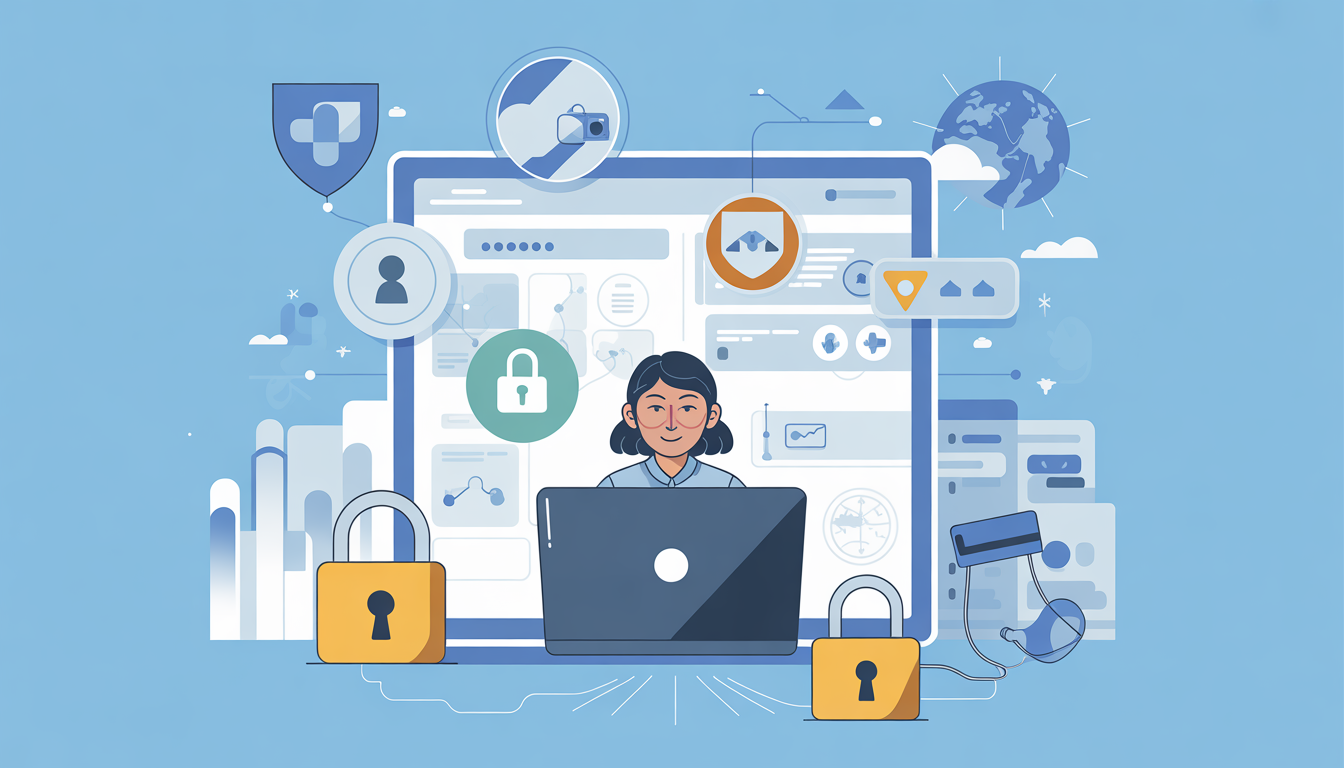
Small businesses in India are increasingly digital, yet many underestimate network security risks. Cyberattacks, data leaks, and ransomware can severely disrupt operations and harm reputations. Understanding network security is crucial for protecting sensitive data, maintaining customer trust, and ensuring business continuity.
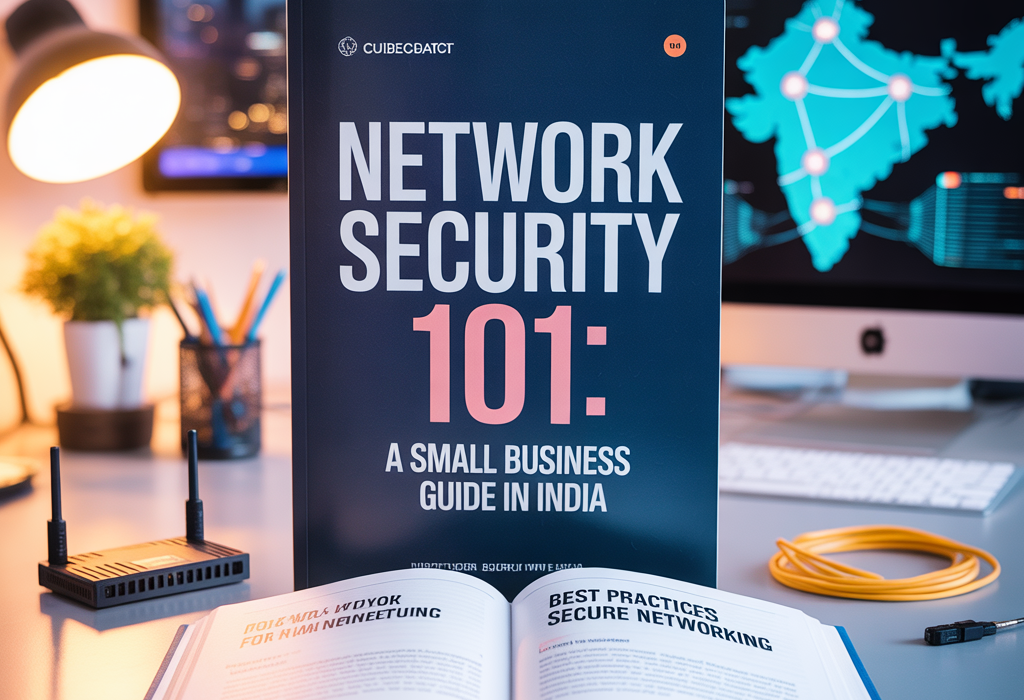
This guide simplifies network security for small businesses, offering actionable steps, practical examples, and best practices tailored to India’s tech landscape.
What is Network Security?
Network security is the practice of protecting computer networks and data from unauthorized access, misuse, or attacks. It includes hardware, software, and protocols that prevent cyber threats while ensuring smooth data flow across devices.
Snippet-friendly definition:
Network security safeguards a business’s data and devices from cyber threats using firewalls, encryption, access controls, and monitoring tools.
Why Network Security Matters for Small Businesses
Network security is no longer optional. Businesses in India face evolving cyber threats, making protection essential. Key beneficiaries include:
- Small and medium enterprises (SMEs) – protecting customer and financial data.
- Tech startups – safeguarding intellectual property and proprietary software.
- Retailers and e-commerce platforms – preventing online fraud and breaches.
- Healthcare clinics & educational institutes – securing sensitive client/patient information.
- Remote or hybrid teams – ensuring secure access to company resources.
How Network Security Works: Key Features
Network security combines multiple layers of defense to protect information systems. Key components include:
Firewalls
Act as a barrier between trusted internal networks and external traffic. Filters malicious data and prevents unauthorized access.
Antivirus & Anti-Malware Software
Detects, quarantines, and removes malicious programs. Essential for endpoint security.
Encryption
Transforms data into unreadable formats during storage or transmission. Common in emails, cloud storage, and financial transactions.
Intrusion Detection and Prevention Systems (IDPS)
Monitors network traffic for suspicious activity and alerts administrators, sometimes automatically blocking threats.
Secure Access Controls
Limits access to sensitive data using passwords, multi-factor authentication (MFA), and role-based permissions.
Practical Use Cases & Examples
- E-commerce business – Using HTTPS, firewalls, and MFA to protect payment and customer data.
- IT startup – Encrypting proprietary code in cloud repositories and monitoring network traffic for unauthorized access.
- Healthcare clinic – Implementing endpoint security and secure Wi-Fi to protect patient records.
- Remote workforce – Using VPNs and access control lists (ACLs) to maintain secure connections.
These real-world scenarios show how even small businesses can significantly reduce risks with simple measures.
Comparison / Alternatives
| Feature / Solution | Small Business Use | Pros | Cons |
|---|---|---|---|
| Traditional Firewall | Office network | Easy setup, cost-effective | Limited against modern threats |
| Cloud-based Security | Hybrid/remote | Scalable, real-time updates | Requires internet connectivity |
| Endpoint Security Tools | Employee devices | Protects laptops & mobiles | Needs regular updates & monitoring |
| VPN | Remote access | Secures connections | Can reduce network speed |
| Managed Security Services | Fully managed | Expert monitoring, compliance | Higher cost for SMEs |
Benefits & Limitations
Pros:
- Protects sensitive business and customer data
- Reduces financial and reputational losses
- Ensures regulatory compliance (e.g., IT Act 2000, data protection guidelines)
- Enables safe remote work and digital transactions
Cons:
- Initial setup costs can be high for advanced systems
- Requires regular updates and monitoring
- May need employee training to enforce best practices
Implementation / Buying / Adoption Checklist
- Assess Risks – Identify critical assets, data types, and potential threats.
- Set Security Policies – Define password policies, access levels, and backup protocols.
- Invest in Tools – Firewalls, endpoint protection, encryption, VPNs, IDPS.
- Train Employees – Conduct regular cybersecurity awareness sessions.
- Monitor & Update – Regularly patch software, review logs, and audit access.
- Consider Managed Services – If in-house expertise is limited, use professional security services.
Frequently Asked Questions(FAQs)
Q1: How much does network security cost for a small business in India?
Costs vary from ₹15,000–₹1,50,000 annually depending on tools, cloud services, and IT support requirements. Basic firewalls and antivirus solutions are budget-friendly.
Q2: Can small businesses handle network security themselves?
Yes, with proper training and tools. However, for advanced monitoring or compliance requirements, managed security services are recommended.
Q3: Is VPN necessary for small businesses in India?
VPNs are crucial for securing remote work connections, encrypting traffic, and protecting sensitive company data from interception.
Q4: How often should security systems be updated?
Software and hardware should be updated immediately after patches are released, with regular audits every 3–6 months to ensure continued protection.
Q5: Are cloud-based solutions safe for small businesses?
Yes, cloud providers offer strong encryption, continuous monitoring, and automatic updates. Ensure the provider complies with Indian data protection regulations.
Conclusion
Network security is vital for small businesses in India to protect data, maintain customer trust, and stay competitive. Even simple steps like firewalls, encryption, VPNs, and employee training can dramatically reduce risk.
Recommendation: Start with a security audit, implement layered defenses, and monitor regularly.
Future Outlook: As cyber threats evolve, small businesses adopting proactive, scalable security measures will stay resilient and grow safely.
Read more: Why Multi-Factor Authentication Is Essential for Indian Online Accounts
LSI / Semantic Keywords
- Cybersecurity for SMEs India
- Small business IT security
- Firewall and antivirus
- Data protection India
- Endpoint security
- VPN for businesses
- Cloud security solutions
- IT compliance India